
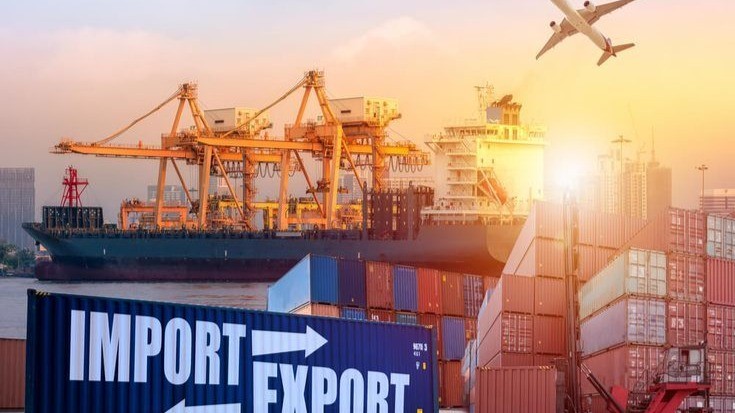
Imagine turning your local Kenyan business into a global brand, watching your goods fly out to the world, and seeing foreign cash land safely in your bank. Exporting might look big and scary with all the paperwork and rules, but it does not have to be. If you want to grow your sales and reach buyers overseas without losing your profit or your peace of mind, it is imperative that you have a solid export agreement/contract.
1. What is Exporting?
Exporting is the process of selling and supplying goods or services across borders (eg from Kenya to a buyer in another country) and in return getting paid in foreign currency.
The process will generally involve conducting export market research, preparing the goods for shipment, complying with applicable Kenyan regulatory requirements and the custom requirements for the destination country, clearing the goods through customs and transporting them to the buyer or agreed destination.
However, before your goods leave the country, one of the most important documents you should have in place is a properly drafted agreement.

2. What is an Export Agreement?
An export agreement is the contract between the exporter and the foreign buyer. This agreement outlines the terms and conditions of the sale with an aim to regulate business relations and reduce the possibilty of misunderstandings and disputes. A well-drafted agreement can significantly reduce disputes because both parties know their obligations from the beginning. The terms also vary depending on the applicable laws and legal systems of each party’s country.
3. Key clauses to keep an eye on:-
3.1. Identification of the parties – clearly capture the details of the exporter and buyer i.e. name, registration number and addresses, etc;
3.2. Description and specifications of the goods – be very clear about exactly what you are selling. The agreement should specify, where applicable:
3.2.1. Type and quality of goods;
3.2.2. Quantity;
3.2.3. Grade or specifications;
3.2.4. Packaging requirements;
3.2.5. Labelling requirements;
3.2.6. Applicable standards; and
3.2.7. Inspection or testing requirements.
Avoid vague descriptions that could later result in a dispute over whether the goods supplied were what the buyer ordered.
3.3. Price, Currency and Payment terms – clearly state the purchase price; currency of payment (£,$); whether the price includes taxes, freight, insurance or other charges; and who bears bank charges and transaction costs, when payment becomes due, the method of payment and what happens in the event of late or non-payment.
For an exporter dealing in a foreign currency, it is also worth considering the risks associated with exchange-rate fluctuations and discuss with your bank for a fixed rate).
3.4. International Delivery terms – Incoterms® – this is one of the most important parts of an export agreement. The parties should agree on the applicable Incoterms® rule, such as FOB, CIF, FCA, DAP or another appropriate term.
The chosen Incoterm helps determine who is responsible for transportation, insurance, customs formalities, costs and the point at which the risk in the goods passes from the seller to the buyer.
3.5. Severability Clause – this means that if one part of an export agreement is invalid or cannot be enforced, the rest of the agreement can still remain valid and enforceable.
Example: Imagine you are supplying coffee to a buyer in Germany and your contract doesn’t have a severability clause. You supply 700 bags of coffee but only 600 attained the buyer’s requirements, the importer would have to reject the whole consignment since the contract was not severable. This clause becomes essential since it allows the parties to accept and reject parts of the contract without invalidating the whole agreement.
3.6. Force majeure – events such as natural disasters, war, strikes, government restrictions or other extraordinary events may need to be addressed through a force majeure clause.
3.7. Governing law and dispute resolution- the agreement addresses which laws govern the contract and what form of dispute resolution is applicable. For example, the parties may agree to resolve disputes through arbitration or court proceedings, and should consider the appropriate jurisdiction and location.
3.8. Termination – the agreement should specify when either party may terminate the contract, including circumstances such as material breach, insolvency, prolonged non-payment and etc.
Getting these issues right before the goods leave Kenya can save you significant time, money and legal headaches later.
At Gathigia Muhindi Advocates, we assist businesses looking to navigate the legal side of doing business across borders.
Book with us a consultation on https://gma.lukekibiku.com/book-consultation/ to discuss further. Our team can assist you with conducting export market research, due diligence on the buyer, drafting the export agreement and negotiating the payment terms, applying for the necessary permits and approvals and ensuring you are compliant with all international trade laws.
If you are considering starting an export business from Kenya, do not wait until a dispute arises to review your contract.
Speak to us before you sign, ship or send.
Email – info@gma.co.ke
Website – www.gma.co.ke
Call or Whatsapp – +254 142 677 673
Gathigia Muhindi Advocates ~ Your export journey starts with getting the legal foundation right.